
Hydrogen Demand Is Structural, Not Speculative
Hydrogen is already embedded in global industrial systems, driven by essential sectors like fertilizers, refining, and chemicals.
As decarbonization mandates accelerate, these sectors face a clear constraint: hydrogen must become cost-competitive at scale to enable meaningful transition.
95 Million Tonnes Consumed Annually
The global hydrogen market already consumes approximately 95 MTPA — almost entirely produced via fossil-based processes. Decarbonising this existing demand is the primary commercial opportunity, before any new applications emerge.
Ammonia Production
Fertilizer & chemical feedstock — single largest demand sector globally
Petroleum Refining
Hydrotreating, hydrocracking and desulphurisation at refineries worldwide
Methanol Production
Chemical feedstock and emerging transport fuel application
Steel & Emerging Uses
DRI-based steel and new industrial decarbonisation pathways
Each sector operates with existing hydrogen supply chains, handling infrastructure, and captive demand. GigaCore's initial commercial focus is on replacing incumbent fossil-derived supply — not creating new demand from scratch. This is the largest available addressable market for a cost-competitive green hydrogen producer.
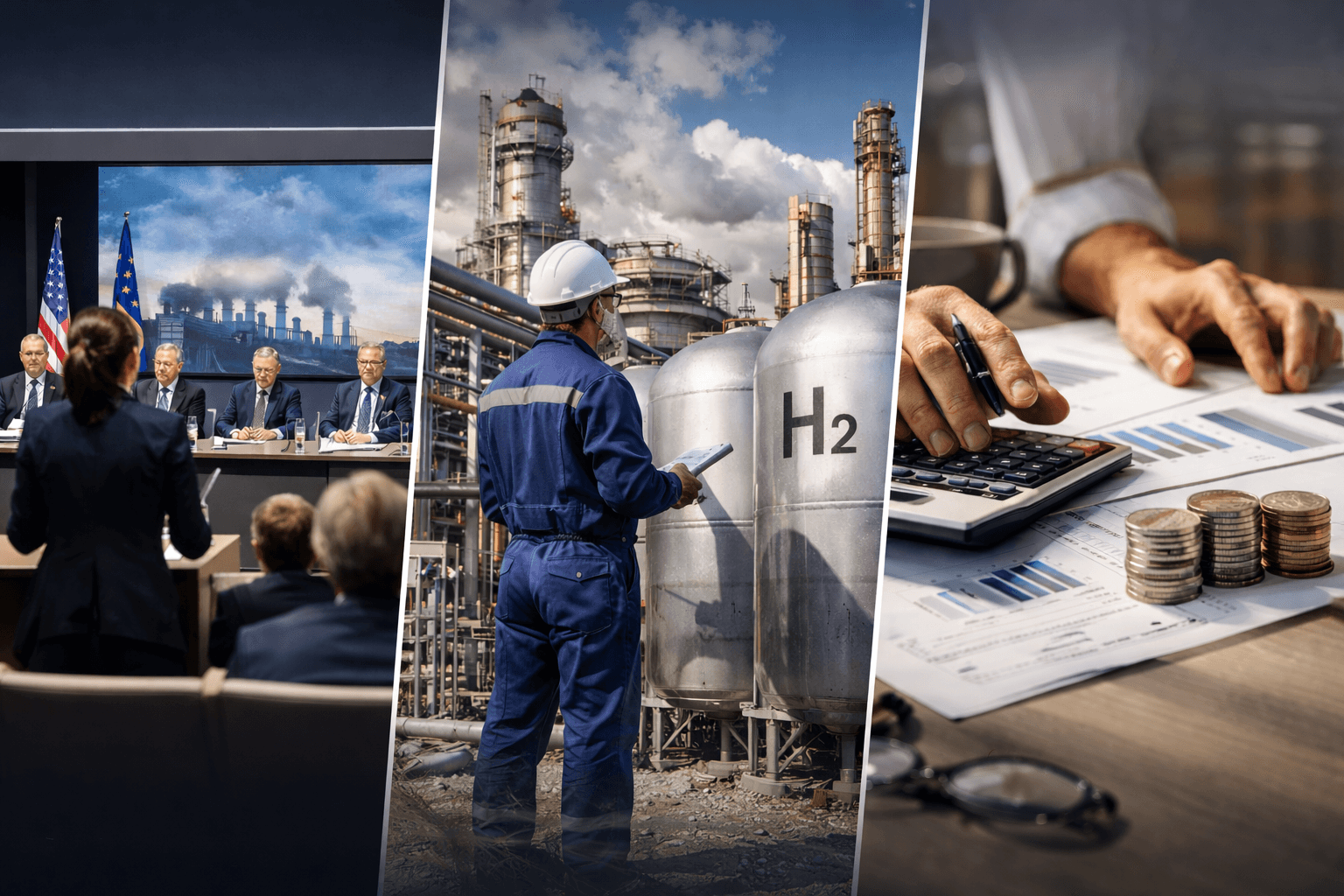
What Is Changing in the Market
Three forces are reshaping the hydrogen market
- 1Policy pressure to decarbonize hard-to-abate industries
- 2Industrial demand for reliable, continuous hydrogen supply
- 3Economic reality that limits adoption above certain cost thresholds
While incentives help, long-term deployment depends on structural cost reduction.
The Cost Threshold That Unlocks Scale
Across downstream applications, a consistent economic signal has emerged:
The inflection point for large-scale industrial adoption.
- Above this levelGreen hydrogen remains confined to pilots and subsidized projects.
- Below this levelHydrogen becomes a viable replacement for incumbent fossil-derived supply.

India - A First-Principles Hydrogen Market
Unlike markets driven primarily by subsidies, India’s hydrogen transition must succeed on economics and scale.
Existing captive demand across fertilizer and refining industries
Among the lowest input cost structures globally for green H₂
Rapidly expanding renewable capacity creating low-cost power availability
Government of India strategic intervention for green hydrogen adoption
Priority Demand Centers
Immediate Opportunities
- Fertilizer and ammonia production
- Public-sector and private refineries
- Steel and metals processing
Strategic Advantage
- Existing hydrogen handling infrastructure
- Continuous offtake requirements
- Clear pathways to scale
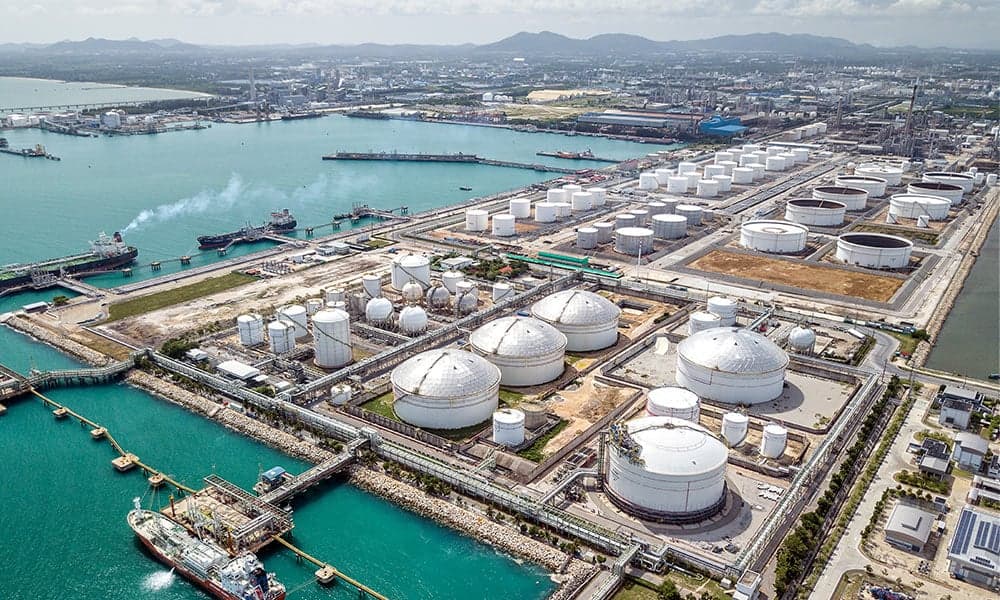
Export-Linked Market Opportunities
Beyond domestic consumption, hydrogen enables export-oriented value chains - particularly through ammonia. Markets that can produce hydrogen at structurally lower cost gain a durable advantage.
Export dynamics are shaped by
- Global demand for low-carbon ammonia
- Cost competitiveness at production
- Access to logistics infrastructure
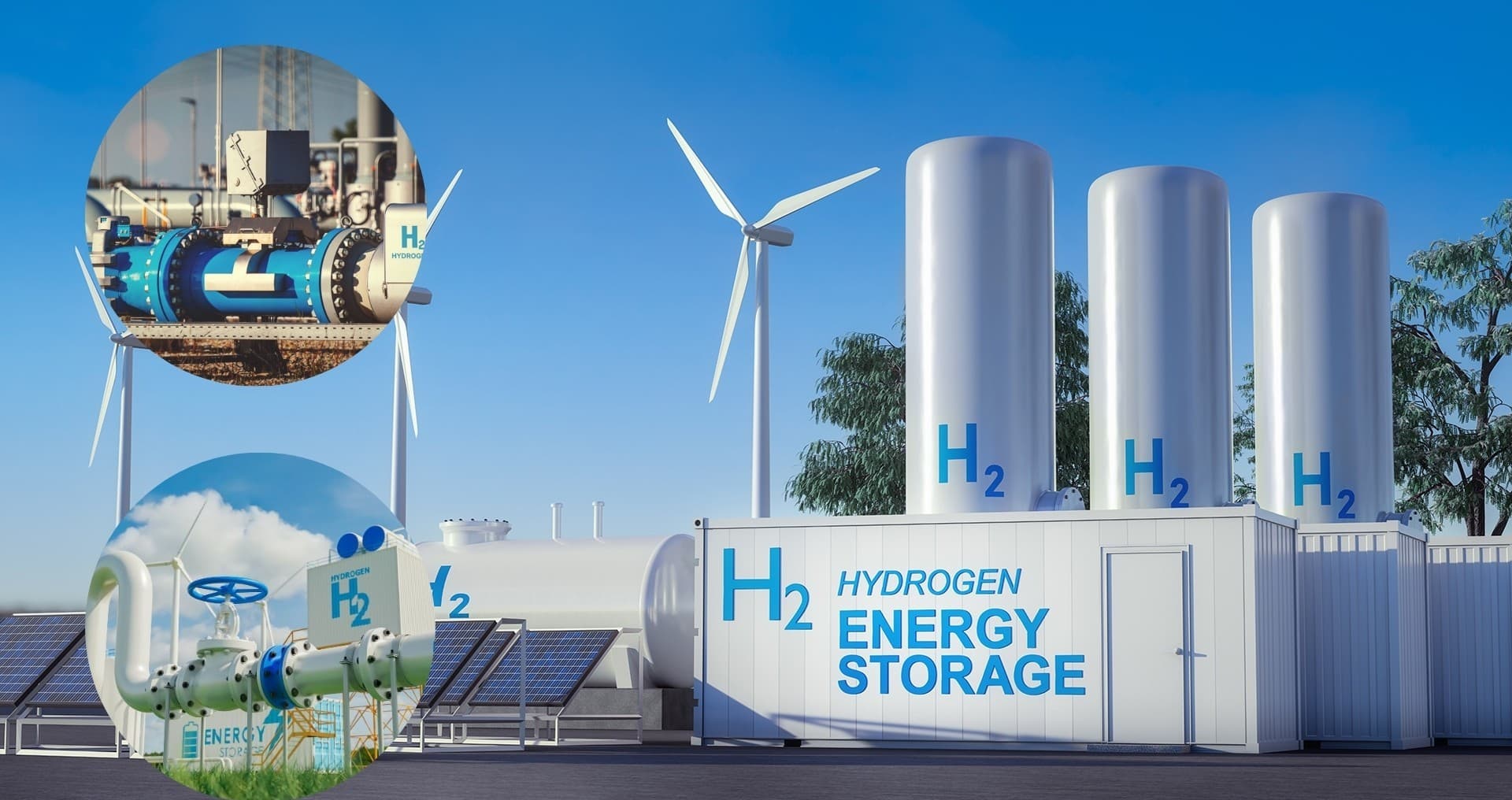
Global Relevance Beyond India
While India is a primary focus, the same economic logic applies globally. As subsidies normalize, cost-led hydrogen platforms are expected to outperform subsidy-dependent models.
Relevant Markets

From Policy to Reality
Policy frameworks can accelerate adoption, but commercial viability determines longevity. The market opportunity is defined by the ability to deliver:
- Predictable Cost
- Scalable Supply
- Industrial Reliability