
Hydrogen Economics
Is an Energy Problem
Across all hydrogen production pathways, electricity consumption is the single largest determinant of cost. Gigacore addresses this root cause by fundamentally reducing the energy required for production.
Across all solar and storage pathways, electricity consumption is the single largest determinant of cost.
Conventional solar-plus-storage systems are highly sensitive to electricity pricing and energy efficiency, which directly impacts operating costs and project viability.
The Cost of Production
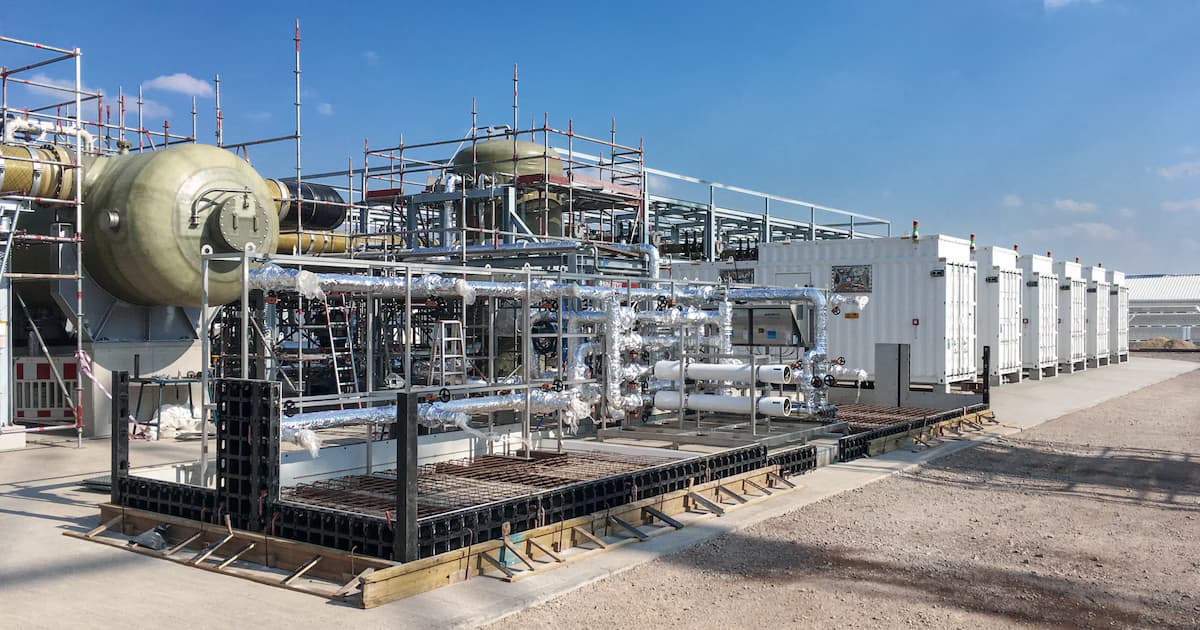
For solar-plus-storage to compete with conventional industrial power, the Levelized Cost of Energy must drop significantly. Currently, electricity accounts for the majority of system operating cost.
Even with free renewable energy, the capital cost (CAPEX) of electrolyzers and the low utilization rates of intermittent power sources make the economics challenging.

The Capital Problem
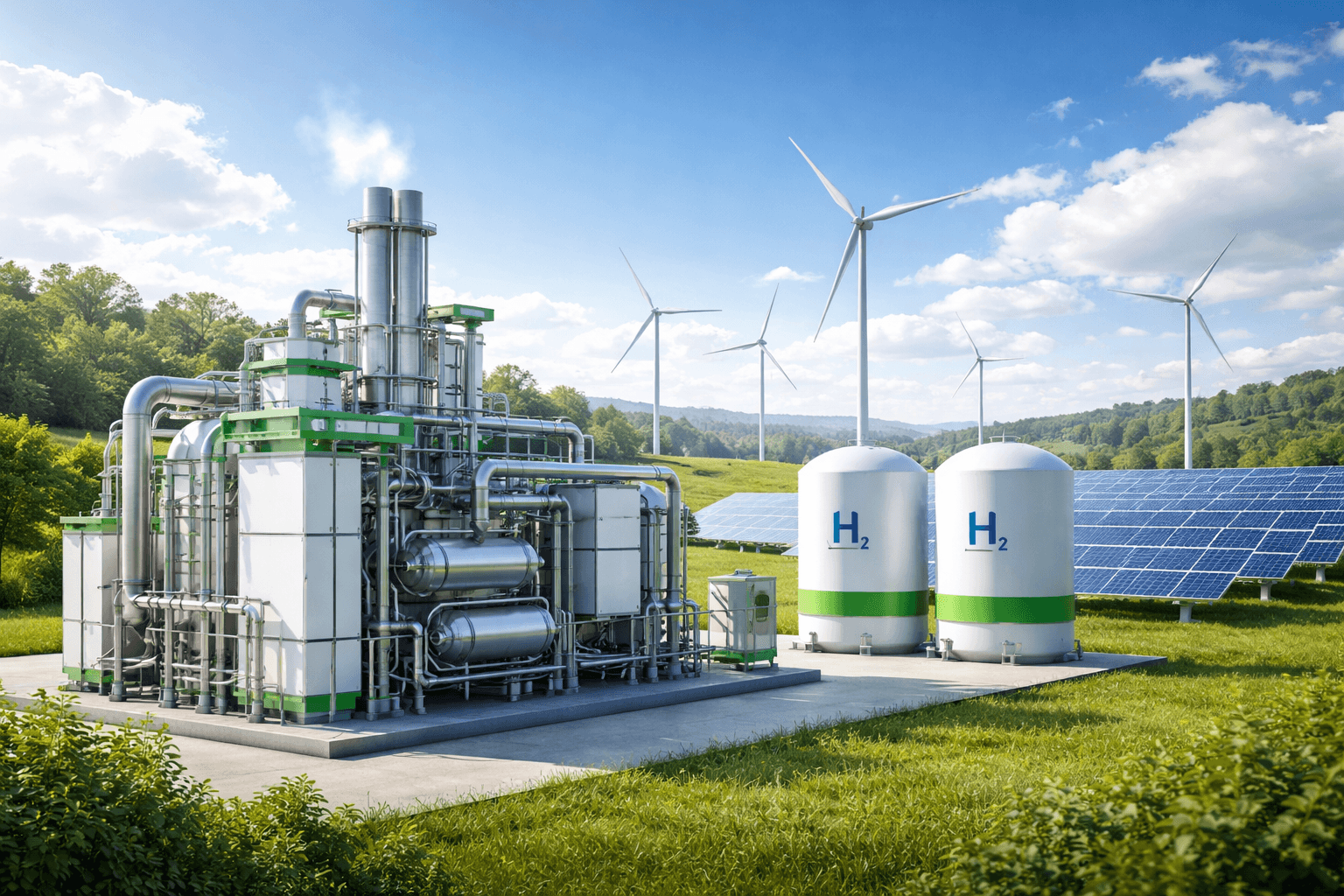
Traditional electrolyzers are complex, material-intensive machines that require expensive stacks, membranes, and catalysts.
- High reliance on Platinum Group Metals (PGMs)
- Complex balance of plant (BOP)
- Design life limitations due to membrane degradation
Radical Efficiency
Gigacore addresses the root cause of high energy cost by fundamentally improving system-level efficiency for solar-plus-storage.
By optimizing energy delivery and storage integration, our platform targets a total system consumption equivalent to under 40 kWh/kg benchmark levels.
This efficiency improvement helps decouple project economics from grid volatility and peak power pricing.
A Path to $2/kg
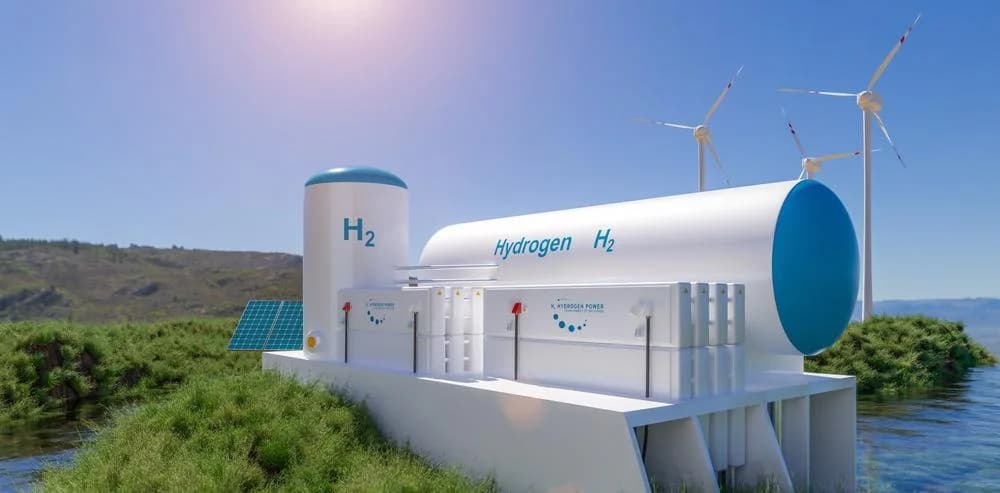
When high efficiency is combined with low-cost, modular hardware, the pathway to $2/kg green hydrogen becomes an engineering reality rather than a forecast.
This price point effectively unlocks heavy industry applications - steel, shipping, and chemicals - that cannot switch to hydrogen at current prices of $4-6/kg.
LCOH Sensitivity: Electricity Price vs Efficiency
Because electricity is 60–70% of hydrogen production cost, every reduction in system energy intensity directly flows to lower LCOH. At India's renewable electricity pricing of $0.03–$0.05/kWh, the GigaCore platform models as follows:
Target cost parity threshold for Indian fertilizer producers including IFFCO and KRIBHCO
Modelled at $0.03–$0.05/kWh electricity. Base case: $2.52/kg at $0.04/kWh
Current green hydrogen LCOH benchmark for conventional alkaline and PEM electrolysis
Engineered for Scale
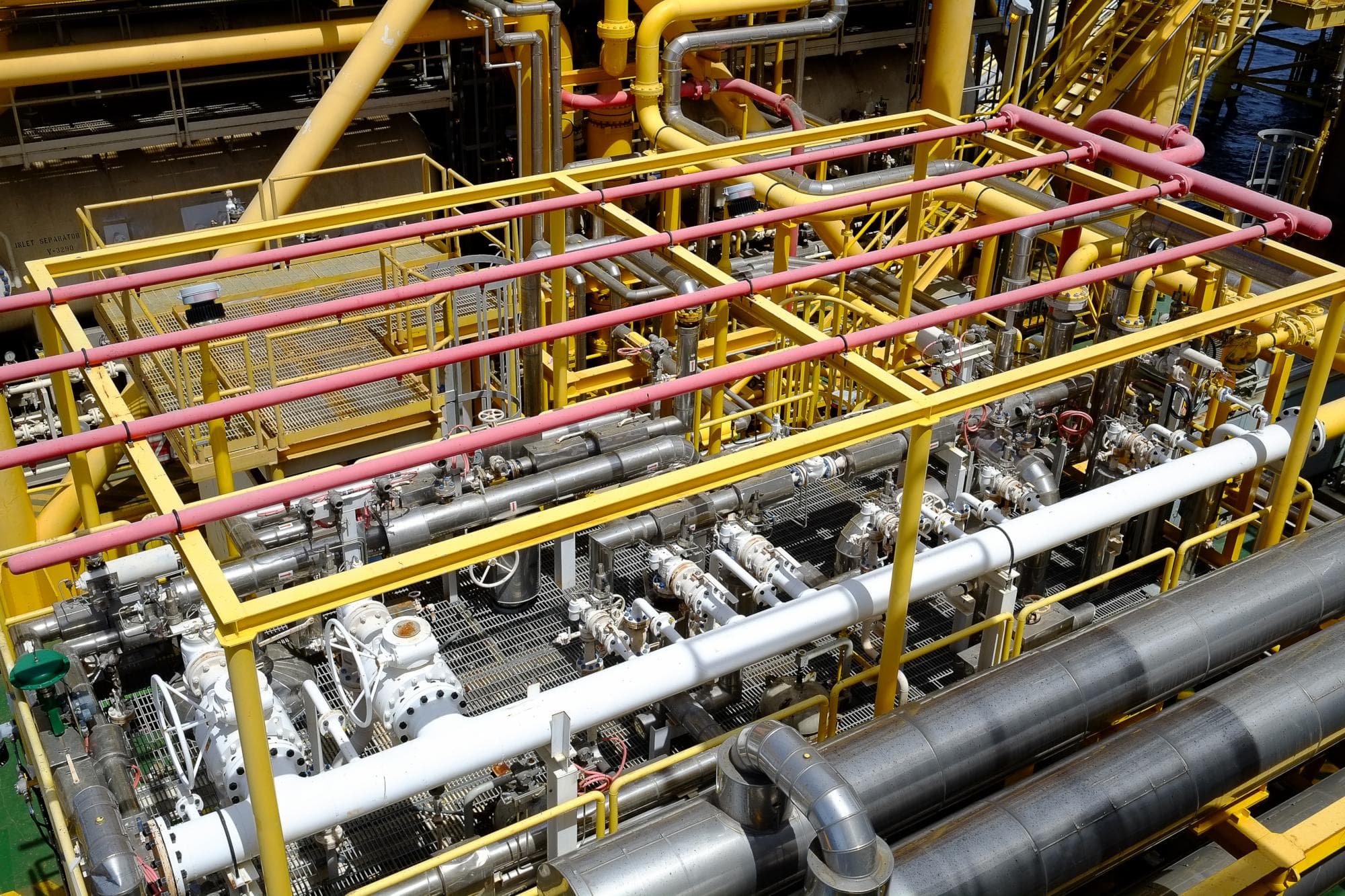
Our technology is not just about efficiency; it is about scalability. The system is designed to be modular and factory-produced, allowing for rapid deployment and massive scaling.
By moving away from bespoke, site-built plants to standardized, modular units, we can drive down CAPEX and ensure consistent quality and performance.
Revenue at Industrial Scale
Hydrogen plants are expected to scale from pilot deployments to large industrial facilities. At $3/kg hydrogen pricing, the per-plant revenue potential is substantial.
Equipment Sales
Sale of modular hydrogen production systems to industrial operators. Each 1 kg/hr module is manufactured as a standardised containerised unit enabling mass production.
10,000 tpa Plant
Large-scale industrial facility producing 10,000 tonnes of hydrogen annually. Consistent with current refinery hydrogen procurement pricing in India.
20,000 tpa Plant
Full-scale hydrogen production hub. Multiple modules integrated into shared balance-of-plant infrastructure. Target for GCC and export-oriented projects.
Long-term Operations & Maintenance contracts are modelled at approximately 8% of system value annually — creating a growing recurring revenue base as the installed fleet expands across commercial deployments.